25 YEARS IN THE SERVICE OF ROMANIAN HERITAGE AND COMMUNITIES
≡


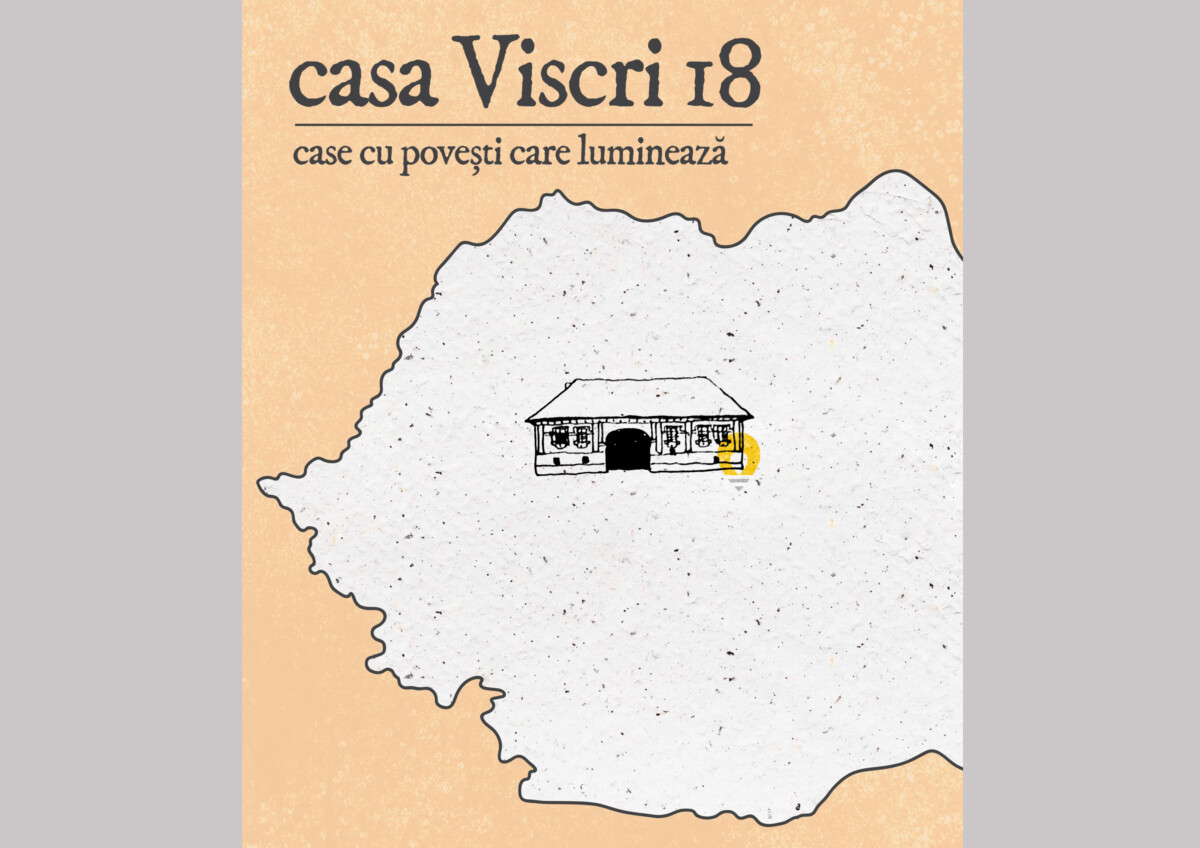
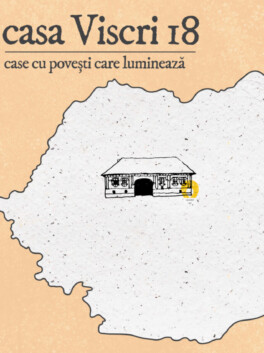
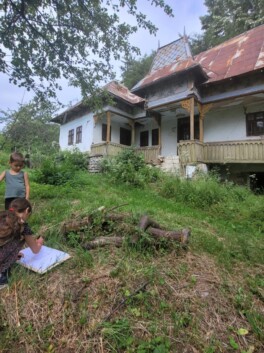
The KIT is a tool for exploration and creative discovery of Viscri House no. 18 and its surroundings. Part of an ensemble of similar houses, house no. 18 opens to children and adults alike as a narrated example of exterior and interior restoration, as a space for new ideas on how to use the place, a starting point for exploring the street, neighboring villages, but also the broader realm of Saxon stories.
The publication is part of “KIT and HERITAGE CARAVAN”, an educational project that challenges children from everywhere, year after year, to engage with built heritage through both creative and practical games and projects.
Author: Andreea Machidon

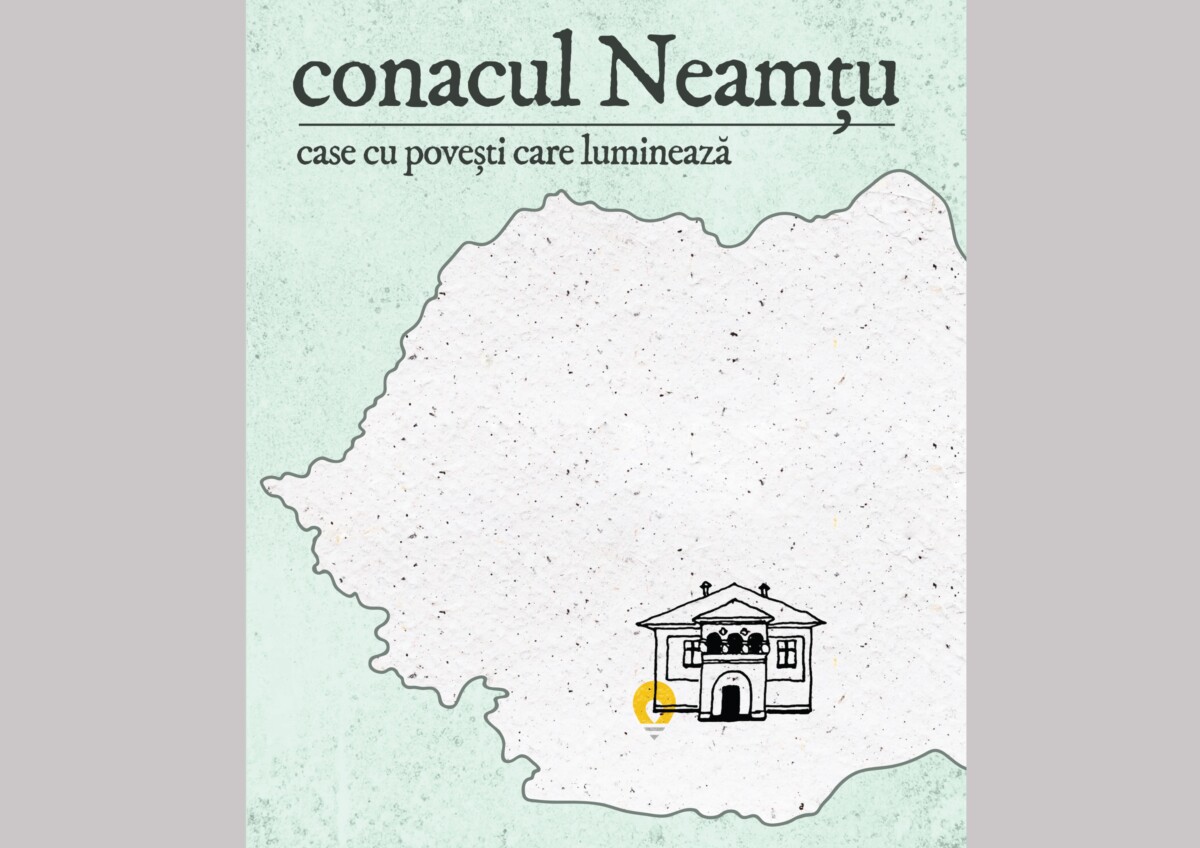
The KIT is a tool for exploration and creative discovery of the Neamțu Manor in Olari. Children and adults are invited to embark on an exploratory journey with tasks, stories and challenges both inside and outside the house, traversing chapters of history and architecture, restoration, mosaics, rooms, genealogies, testimonies and plans. What the manor has told so far, but also what it might tell in the future.
The publication is part of “KIT and HERITAGE CARAVAN”, an educational project that challenges children from everywhere, year after year, to engage with built heritage through both creative and practical games and projects.
Author: Andreea Machidon
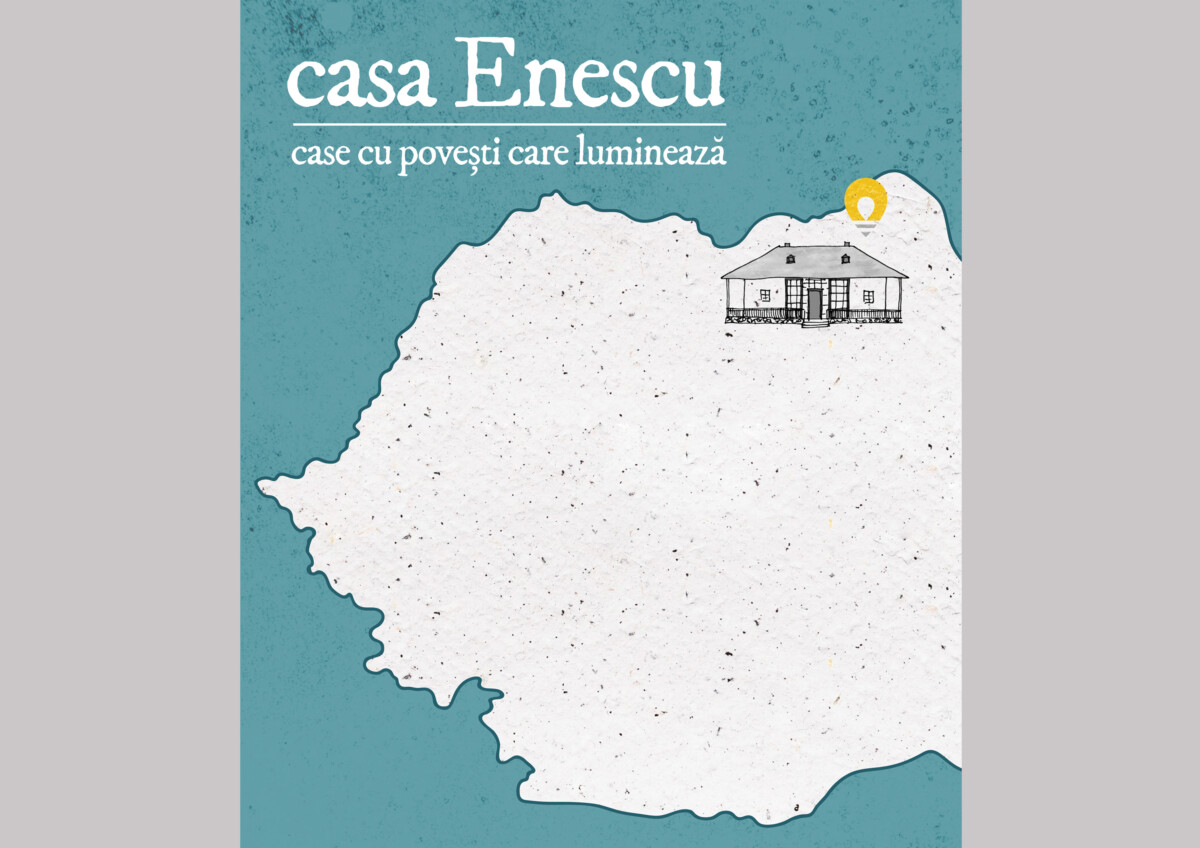
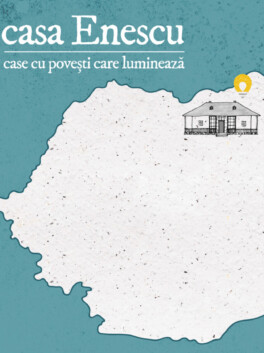
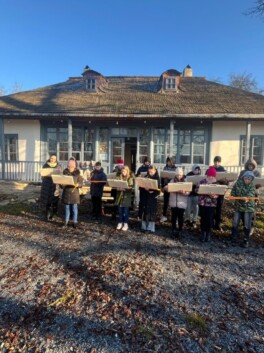
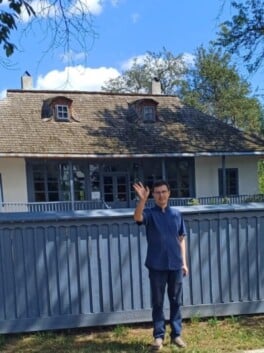
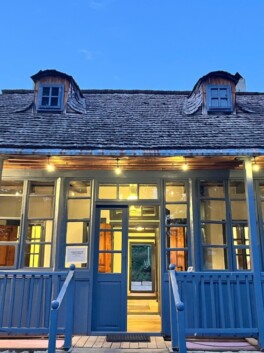
The KIT is a tool for exploration and creative discovery of the George Enescu House in Mihăileni. Children and adults alike can explore stories, tasks and challenges related to architecture and restoration, furniture objects, interior atmospheres, musical fragments, the family tree and the life of the great composer. A circuit around Rogojești Lake completes the experience of the place with a taste of nature and landscape.
The publication is part of “KIT and HERITAGE CARAVAN”, an educational project that challenges children from everywhere, year after year, to engage with built heritage through both creative and practical games and projects.
Author: Andreea Machidon
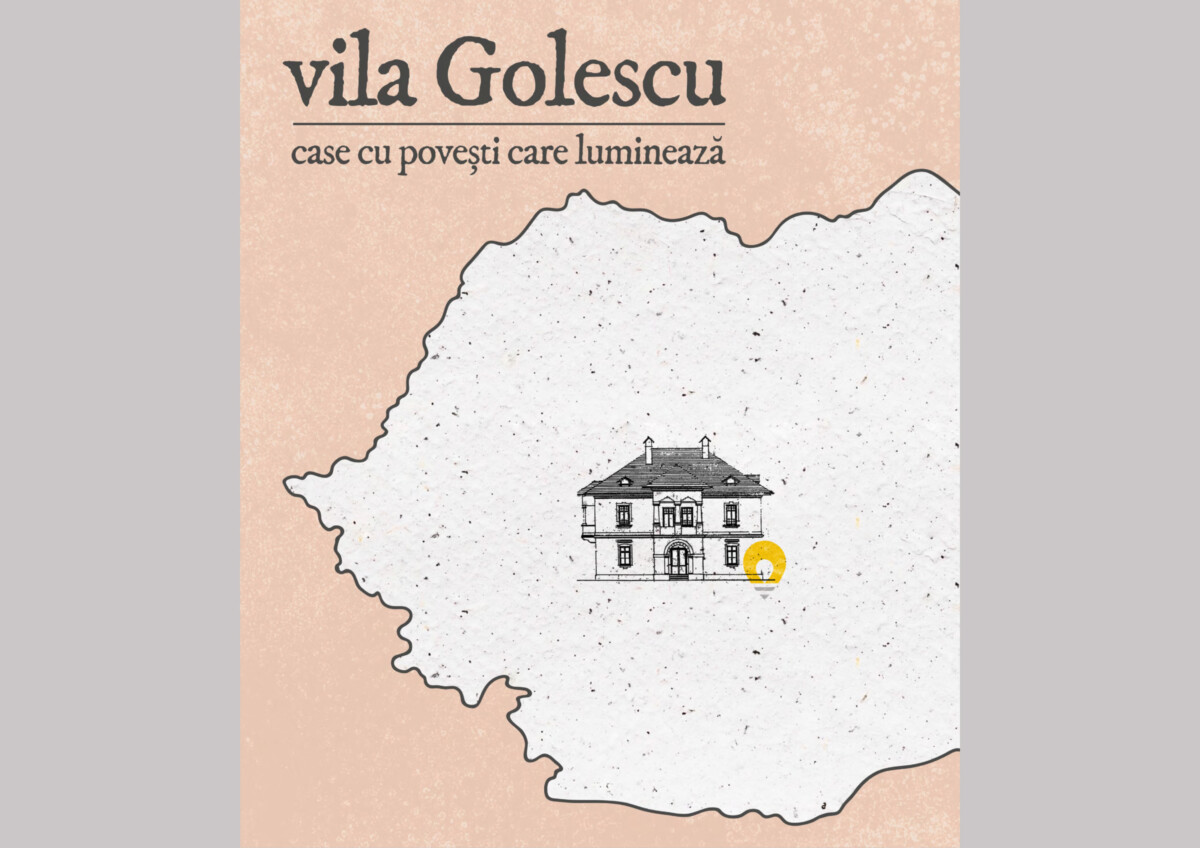
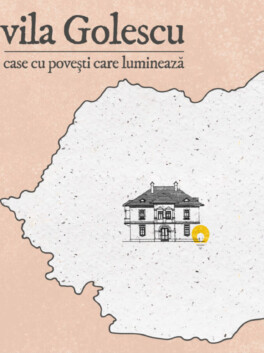
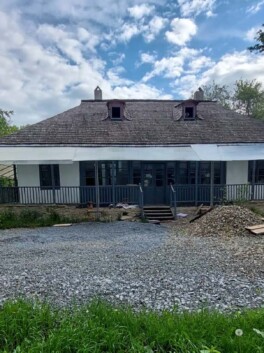
The KIT is a tool for exploration and creative discovery of the Golescu Villa in Câmpulung Muscel. Children and adults alike are invited to enter the universe of one of the most beautiful buildings in the city by going through stories, tests and challenges related to architecture and restoration, furniture objects, interior atmospheres, the lives of the characters who brought the place to life, advice and products from other times, the Golescu family genealogical tree, the dendrological park trail, and the villa’s life in both present and future.
The publication is part of “KIT and HERITAGE CARAVAN”, an educational project that challenges children from everywhere, year after year, to approach built heritage through games and projects that are both creative and practical.
Author: Andreea Machidon
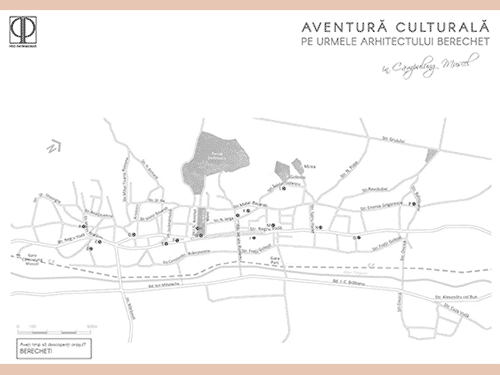
Exploration map for the architectural heritage of Câmpulung Muscel, through the numerous works of the architect Dimitrie Ionescu-Berechet.
The map was designed during the organization of the Festival celebrating the cultural and natural heritage of the city “3 Doors, 3 Countries” and was used many times by the children’s community of the city. It invites locals and visitors alike for a leisurely 2-4 hour stroll with history and whets the appetite for intimate knowledge of the place and the people who lived and live in it.
Author: Andreea Machidon
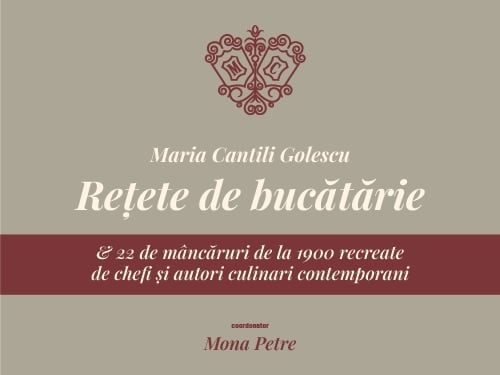
Recettes de Cuisine, Maria Cantili Golescu
Coordinator: Mona Petre
Editorial consultancy: Mirela Duculescu
Project coordination „“Maria Cantili Golescu’s Culinary Diary-recipes, tastes, objects and experiments””: Andreea Machidon
Translation of the original recipes: Nona Henți, Aura Pandele, Mona Petre
Recipe texts recreated: Andrei Chelaru, Oana Coantă, Irina Georgescu, Cristina Mehedințeanu, Mara Elena Oană, Alex Petricean, Mădălina Roman, Horia Simon, Adriana Sohodoleanu, Adela Trofin
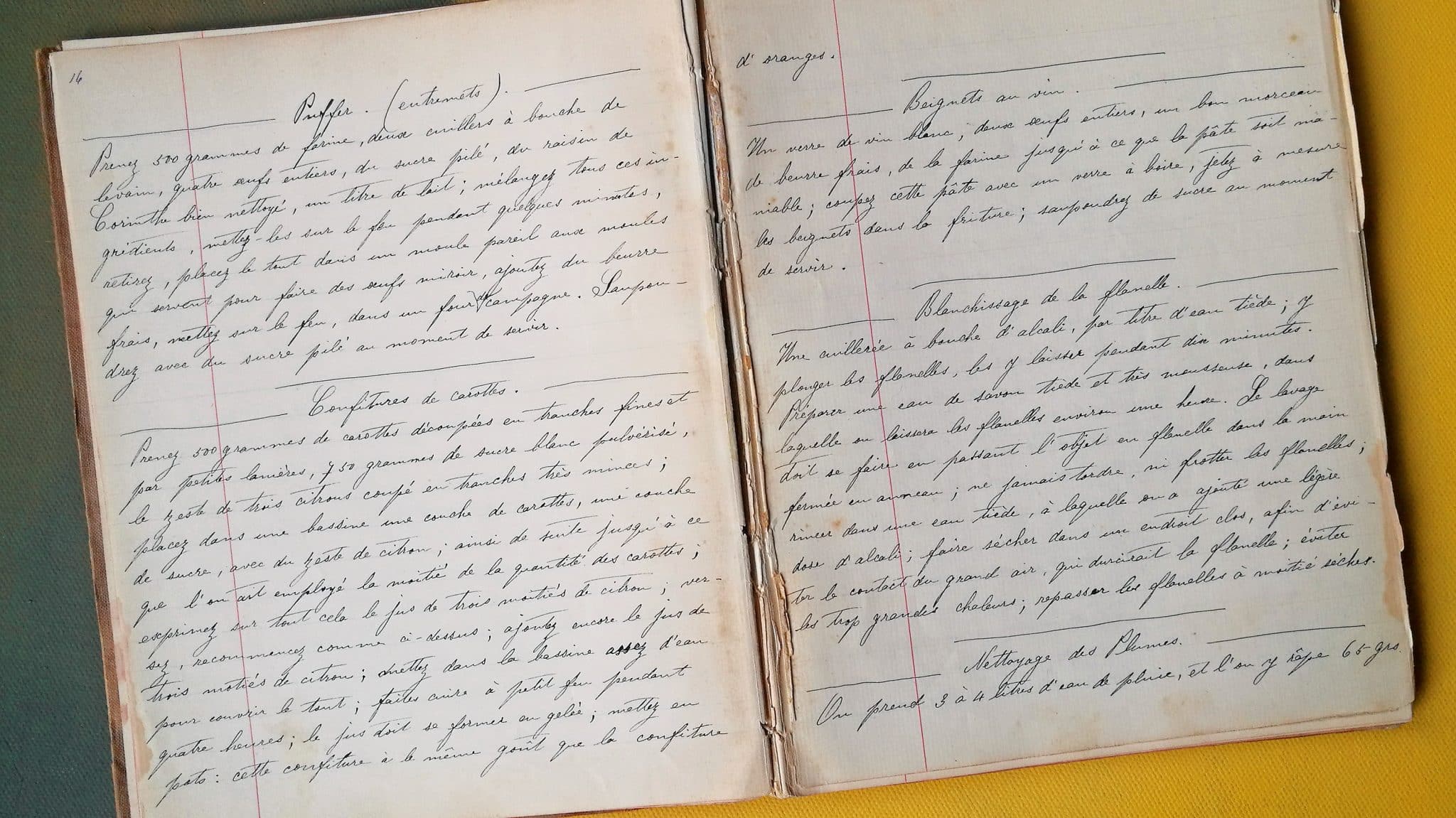
Author: Marie, E, Cantilli / Digitalization: Mona Petre
Paris, 21 janvier 1900, 19 Avenue Bosquet
The notebook found in Villa Golescu’s the library offers a unique insight into the bourgeois and cosmopolitan lifestyle of the period, draw an imaginary map of the cultural influences from the region and from Europe, point out elements of the kitchen setting and utensils of the period, provide a picture of the foods and spices used at the time and present new curiosities about Maria Cantili Golescu, her family, the culinary objects of the period and the cultural landscape in which she lived.
Editorial concept Andreea Machidon / Graphic design Mona Petre
The notebook is a tool for interactive exploration of the Enescu House and its surroundings, dedicated to visitors who stop in the area for one or more days. Through games, challenges and walks, the story of the musician George Enescu, in relation to Mihaileni, and his mother’s house become accessible and interesting for a very varied audience. Bicycle routes and the selection of objectives in the area outline a broader picture of the rich cultural and natural context that the area offers to those interested.

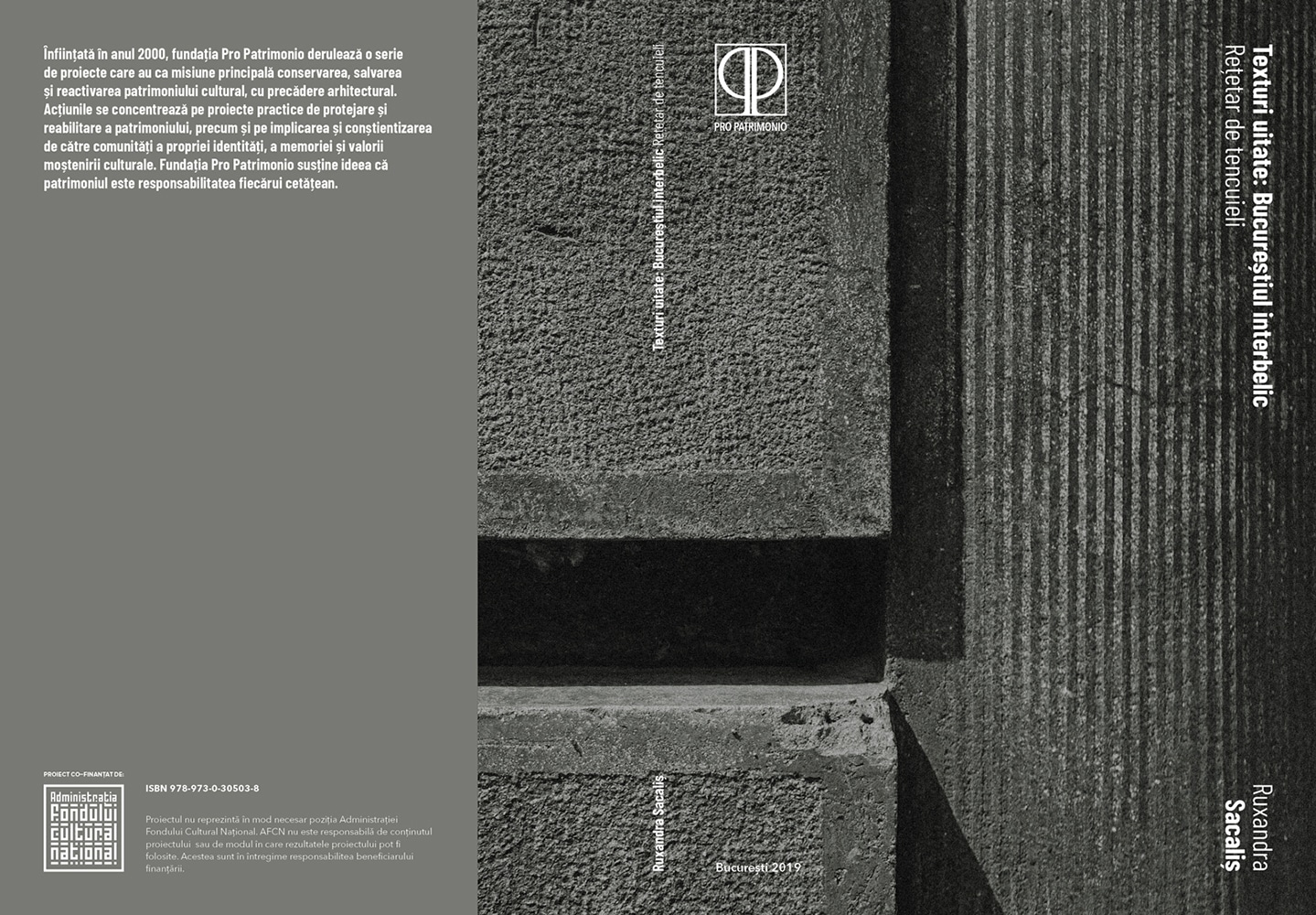
Author Ruxandra Sacaliş/ Editor Mirela Duculescu/ Graphic Design Mona Petre
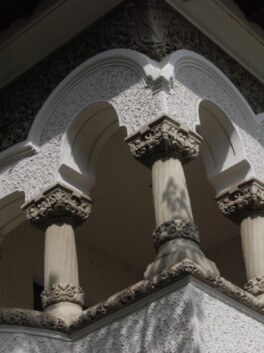
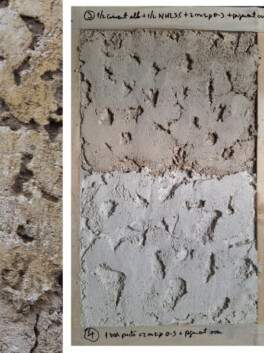
The publication designed as a recipe guide concentrates useful information, both theoretical and practical, about materials, ingredients, recipes, finishing techniques, decorative textures, work tools and degradations often encountered in modernist buildings in Bucharest. It is intended for practical use and wishes to be an instrument of awareness for the general public and specialists in the field regarding the cultural and historical significance of inter-war plasters.
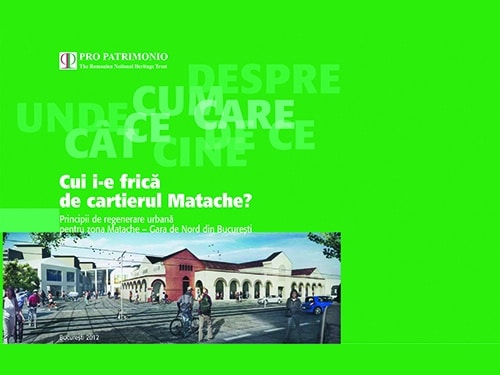
Editorial concept Mirela Duculescu/ Translation Alistair Ian Blyth/ Graphic Design arch. Octavian Carabela
The volume represents a book-manifesto, a book-project, a book-witness of concentrated urban activism phenomenon: the Hala Matache Phenomenon (2010-present).
The book argues for an alternative solution developed by Volunteer Architects to the official project based on the Zonal Urban Plan for the Buzeşti-Berzei-Uranus Diametrala in Bucharest. The publication received the National Prize ex aequo for the book section at the National Architecture Biennale 2012.